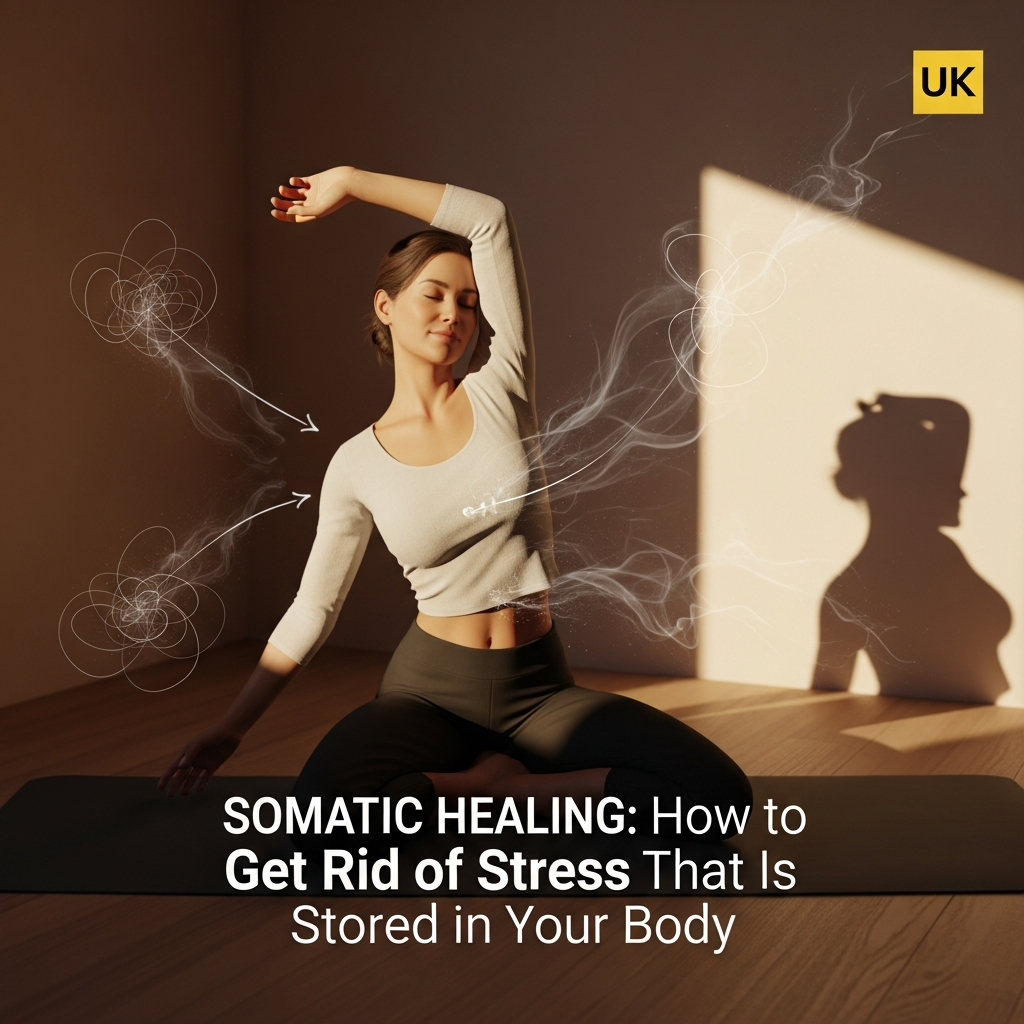
Somatic Healing: How to Get Rid of Stress That 's Stored in Your Body
Stress is a constant part of life for many people these days. For a long time, traditional talk therapy has been the best way to deal with mental and emotional health issues. But more and more people are now turning to somatic healing. This method changes the focus from just talking about problems to working on the body directly. The goal is to let go of stress, trauma, and tension that have built up in the body. Breathwork, cold plunges, and "shaking" are becoming more and more popular as ways to calm the nervous system, reconnect with the body, and help with emotional healing.

This article will discuss somatic healing practices, the science behind why they work, and how they can help with stress and trauma for a long time. We'll go into excellent detail about practices like breathwork, cold plunges, and shaking, including how they work, why they work, and how to make them a part of your daily life.
What is healing for the body?
Somatic healing is a way of healing that focuses on the link between the body and mind. It understands that stress, trauma, and feelings are not only stored in the mind but also show up in the body. Such experiences can cause long-term stress, tight muscles, and problems with the nervous system. Somatic healing techniques help people let go of stress and learn how to control themselves by making them aware of their bodies and moving them.

The goal of somatic healing is to help the body cope with and let go of stress, which will eventually lead to a calmer, more balanced mind. Somatic healing doesn't just discuss emotions; it encourages people to feel and experience the sensations in their bodies. This helps them let go of deep-seated trauma and stress.
The Science of Somatic Healing
Somatic healing practices are based on the idea that the mind and body are connected. The nervous system is a big part of this relationship. Stress or trauma can disrupt the autonomic nervous system (ANS). This dysregulation can cause a long-term state of fight, flight, or freeze, which can cause physical and emotional stress over time.

Examples of somatic techniques that can help activate the parasympathetic nervous system, also known as the "rest and digest" system, include breathing exercises, cold plunges, and shaking. This system works against the stress response. These practices help the nervous system reset, which brings the body back to a more balanced state, lowers stress and anxiety, and encourages emotional healing.
Breathwork: The Strength of Being Aware of Your Breathing
Breathwork is one of the most powerful ways to heal the body, as it helps people reconnect with their breath and use it to control their nervous system. When we are stressed or anxious, our breathing often becomes quick and shallow, which tells our bodies that we are in danger. Breathwork is the practice of slowing down and deepening your breath deliberately to tell your brain and body that it's time to relax.

Diaphragmatic breathing, or deep belly breathing, is a common way to work with your breath. This turns on the parasympathetic nervous system, which helps the body and mind relax. Box breathing (inhale for four counts, hold for four counts, exhale for four counts, hold for four counts) is another way to control stress and calm the nervous system.

Breathwork on a regular basis can help you feel less anxious, more focused, better able to control your emotions, and more at ease. It's a simple and useful way to deal with stress and help the body heal.
Cold Plunges: Using Cold Water to Heal
People have been using cold plunges for their health benefits for hundreds of years, and they have become very popular as a way to heal the body recently. When you put your body in cold water, it reacts to stress, but when you get out of it, it relaxes.

When you get into cold water, your body goes through a shock at first. This activates the sympathetic nervous system, which releases adrenaline and endorphins. These chemicals can help with pain, mood, and energy levels. After the initial shock wears off, the body turns on the parasympathetic nervous system, which makes you feel very relaxed and calm.
Cold plunges can also be beneficial for your body in other ways, like lowering inflammation, increasing blood flow, and making your immune system work better. Cold exposure can also have big mental benefits. It can help people let go of stress and trauma, reset their nervous systems, and let go of the emotional weight of stress and trauma.
Shaking: Getting rid of stress by moving
Shaking is one of the most powerful somatic techniques, but it is often ignored. When the body is under stress, it often shakes as a natural reflex. Consider how animals might shake off stress after going through something stressful. This shaking is how the body lets go of stress and energy that it has stored up.

As a way to help the body let go of physical stress, trauma, and tension, somatic healing uses intentional shaking. The shaking gets the nervous system going, which helps you feel emotionally and physically better. Moving the body out of "fight or flight" mode and back into a state of rest and digest helps bring things back into balance.

Find a comfortable place to practise shaking, and let your arms, legs, torso and head shake gently. You can begin with small movements and work your way up to more intense ones. The most important thing is to stop fighting and let your body relax on its own. You can do such exercise every day, and it's especially helpful for people who are dealing with long-term stress, trauma, or anxiety.
It is beneficial to use a combination of techniques for optimal healing.
Breathwork, cold plunges, and shaking are all helpful, but using them together can improve healing. For instance, you can do breathwork after a cold plunge to help you breathe better and relax your body. Shaking after the massage can help you release any remaining tension, making you feel completely relaxed and refreshed.

You can take a whole-person approach to dealing with stress and healing your emotions by making these things a part of your daily life. Breathwork, cold plunges, and shaking all work together to help with both the physical and mental effects of stress. They help bring things back into balance and promote long-term health.
How to Begin Somatic Healing
If you're new to somatic healing, it's best to start small and add these practices to your daily life over time. To get started, here are some tips:

Breathwork: Take a few minutes each day to practice deep breathing. To relax your nervous system and lower your stress, you can try box breathing or diaphragmatic breathing.
Try Cold Plunges: If you're ready to try cold plunges, start with a cold shower or spend short amounts of time in cold water. As you get more comfortable, slowly add more time.
Add Shaking: Spend a few minutes every day shaking your body, either in the morning or before bed. Let go of any stress you may have built up. Let go of any tension.
Be consistent: Consistency is important for any healing practice. For the best results, make these body-based techniques a part of your daily life.
In conclusion
Somatic healing is a new way to deal with stress and trauma that works directly on the body. Breathwork, cold plunges, and shaking are all powerful ways to help the nervous system work better, let go of stored tension, and heal emotionally. Somatic healing practices are a natural and effective way to restore balance and find long-lasting relief from stress, chronic pain, or emotional trauma. You can take charge of your emotional and physical health by making these habits a part of your daily life. This will lead to a healthier, more balanced life.
Written by M Rousol
Senior Editor at AIUPDATE. Passionate about uncovering the stories that shape our world. Follow along for deep dives into technology, culture, and design.
View ProfileEnjoying this article?
Our independent journalism is made possible by readers like you. If you found this story valuable, please consider supporting us.


Discussion
Join the chatLog in to comment
Join the community discussion and share your thoughts.
Sign In / RegisterNo comments yet. Be the first to start the conversation!